-

Common Orthopedic Injuries That Occur at Home
Read more: Common Orthopedic Injuries That Occur at HomeOrthopedic injuries at home are very common. Millions of people visit the emergency room every day for injuries sustained from home activities such as cleaning, cooking or gardening. Falling is the No. 1 cause of home injuries in the U.S., with children under the age of 5 and adults over 70 most susceptible to fall-related…
-

Understanding the Stages of Labor
Read more: Understanding the Stages of LaborLabor is a natural, three-stage process that is unique to each person who gives birth. For some, one stage may last hours, while others might breeze through it and move onto the next stage. Though it’s impossible to predict how your labor and delivery will go, understanding what to expect can help you feel more…
-

Do You Know Your Risk?
Read more: Do You Know Your Risk?Breast cancer is one of the most common types of cancer in American women. Roughly 13%, or one in eight women, will develop breast cancer in their lifetime. New advancements in detection and treatment have increased breast cancer survival rates, and when caught in its earliest, localized stages, the survival rate is over 99%. One…
-
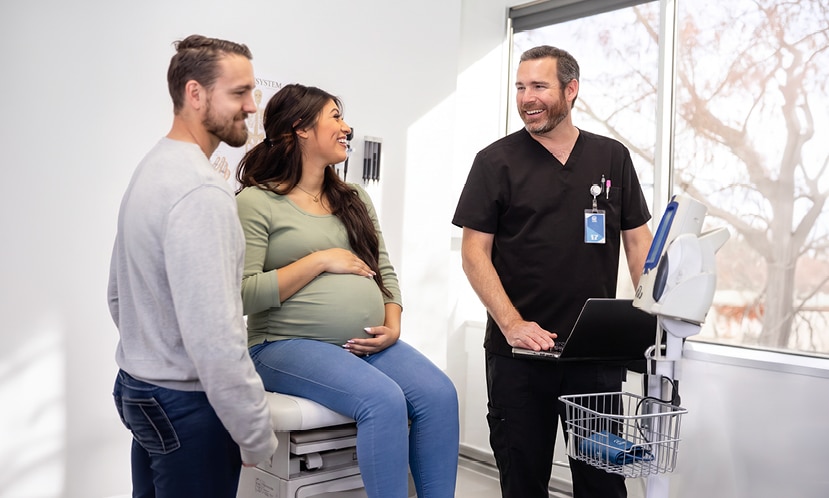
How to choose the right OB-GYN
Read more: How to choose the right OB-GYNFor women, an obstetrics and gynecological specialist (OB-GYN) is one of the most important members of their healthcare team. These experts are specifically trained to treat women in all stages of life, including pregnancy and giving birth. The right OB-GYN should support your goals, listen to your thoughts, provide clear answers to questions and encourage…
-
Questions to ask during your first obstetrics appointment
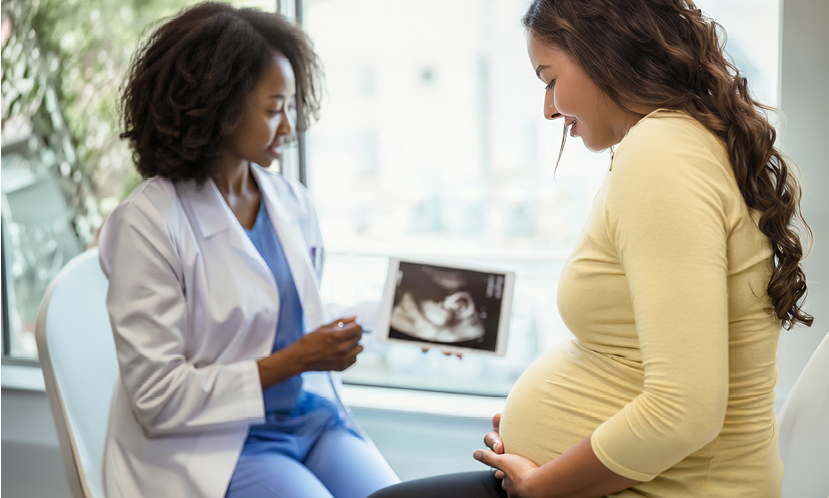
Read more: Questions to ask during your first obstetrics appointmentA new pregnancy is exciting, emotional and sometimes a little overwhelming! One of the most important first steps to take as an expectant parent is choosing the right obstetrics provider (OB-GYN). The right provider should: The first appointment with them is your opportunity to start building a relationship with the OB-GYN who will guide you…
-
What to Know About Dense Breasts
Read more: What to Know About Dense BreastsIf you had a mammogram recently, it may have shown that you have dense breasts. Although this finding is common, many people aren’t sure what this means or how it may affect their health. Having dense breast tissue isn’t something you can see or feel, but it can make breast cancer harder to detect on…
-
What to expect at your first mammogram
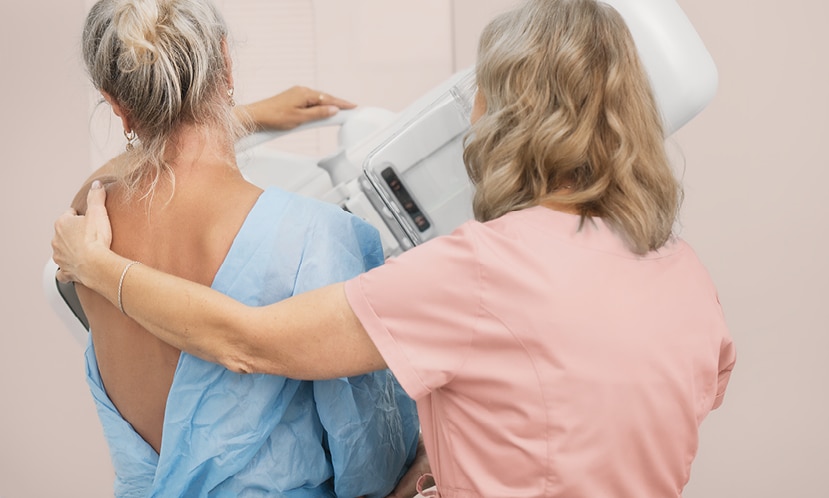
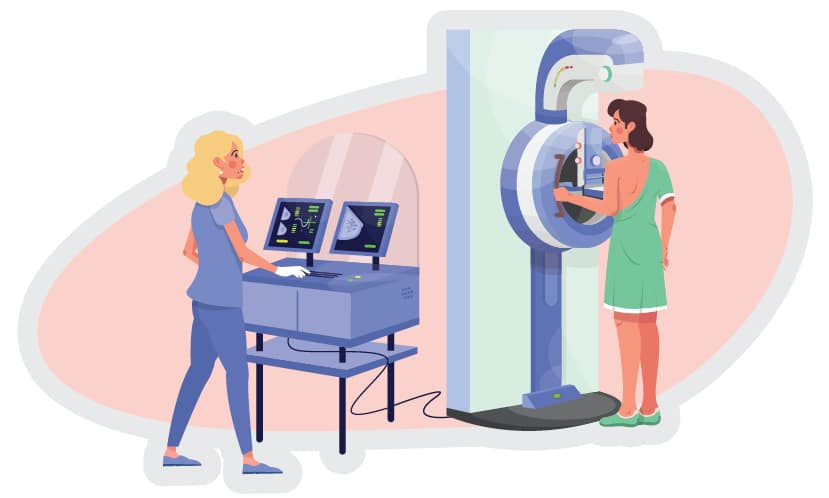
Read more: What to expect at your first mammogramIf you’ve never had a mammogram before, it can be hard to know exactly what will happen. You may have many questions before, during and after the procedure about anything from preparation, the mammogram machine or your screening results. The good news is that a mammogram is a quick, simple screening that plays an important…
-

What to do if you find a breast lump
Read more: What to do if you find a breast lumpFinding a breast lump can be unsettling, and it’s normal to feel worried or anxious when you notice a change. Many breast lumps are caused by non-cancerous conditions, but they should still be evaluated by a healthcare provider. It’s best to catch any potentially cancerous spots early when they can be treated most effectively. Read…
-

Hillcrest South Cath Lab Grand Reopening
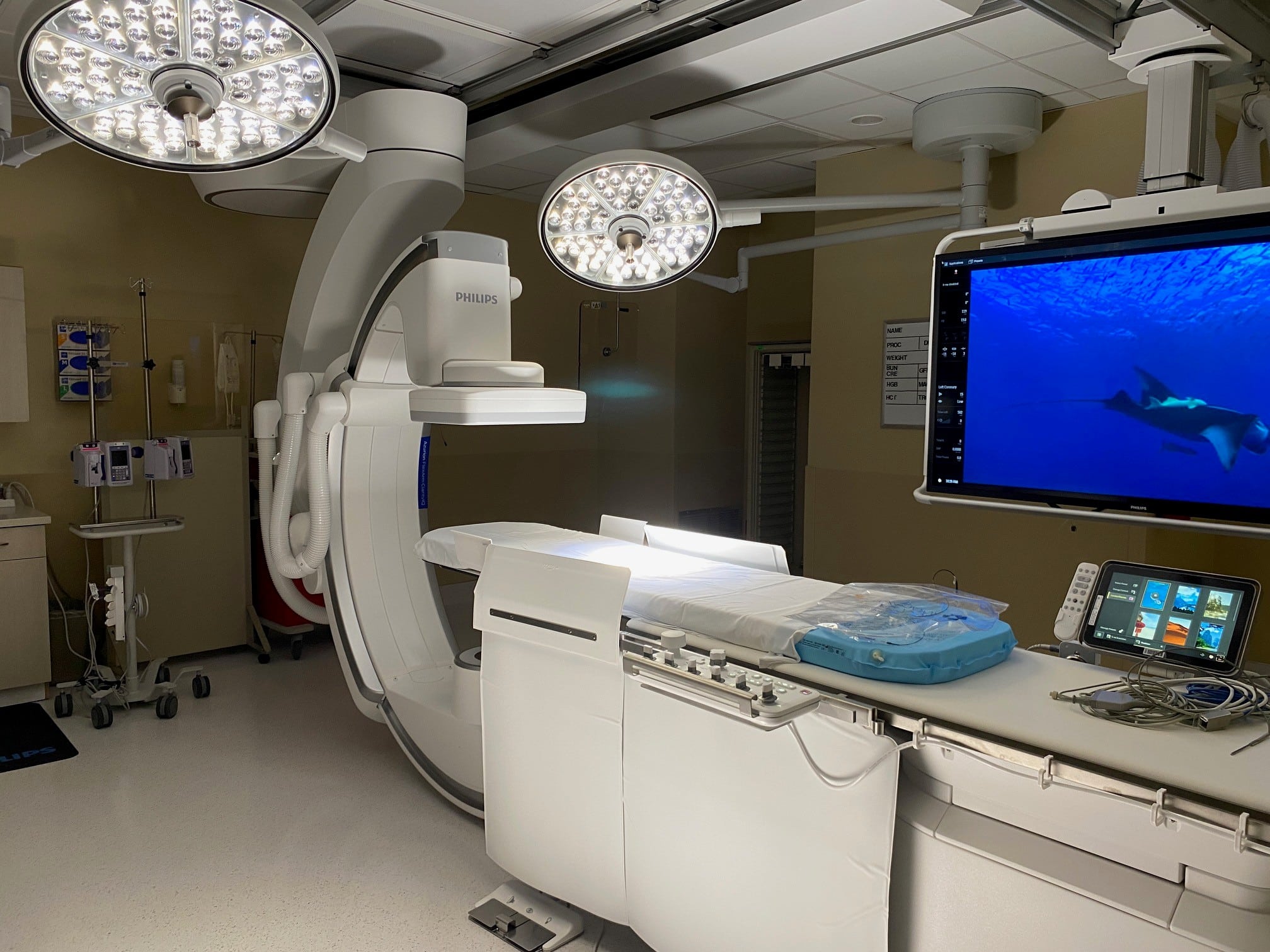
Read more: Hillcrest South Cath Lab Grand ReopeningSeptember 1 – Staff at Hillcrest Hospital South celebrated the grand reopening of Cath Lab 1 with a special ribbon-cutting ceremony. Outfitted with the latest life-saving cardiac technology, the renovated lab represents a significant investment in advanced patient care and better outcomes for our community. This new space will help our clinical teams continue delivering…
-

Frequently asked questions about the flu
Read more: Frequently asked questions about the fluInfluenza (“the flu”) can be more than a nasty seasonal bug. In some severe cases, the respiratory illness can cause serious complications, especially in older adults, younger children and other more vulnerable populations. Symptoms of the flu include fever, chills, coughing, sore throats, fatigue, and sometimes vomiting or diarrhea. Although it’s a relatively common illness,…