Hillcrest's blog

Safe Sleep for Baby

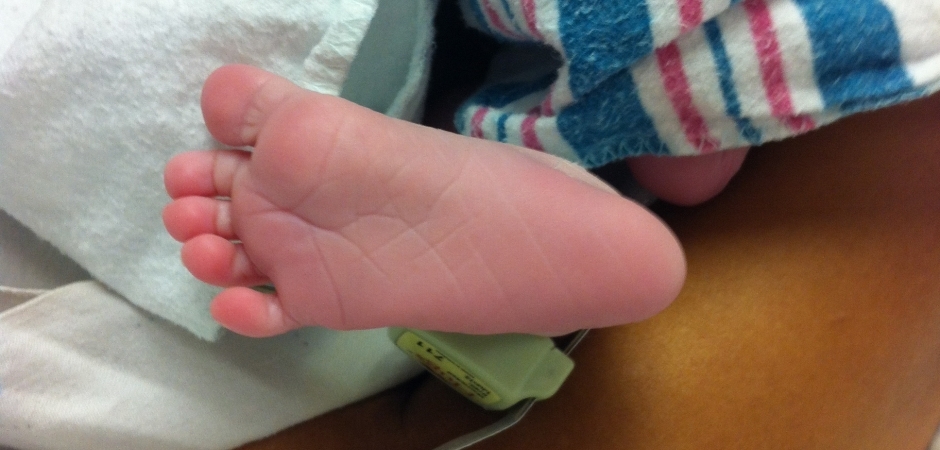
Hillcrest neotalogist and Oklahoma Safe Sleep Champion, Dr. Lisa Owens, is asking parents in Oklahoma to take the pledge to put their baby in a safe sleep environment every time. We know parents love their babies and would never want to put them in danger, but accidents can happen if babies are not sleeping in a safe environment.


What is the difference between TED Hose and Compression Stockings?

All lower extremity compression is NOT created equally.


Tulsa Breast Surgeon Responds to Angelina Jolie’s Double Mastectomy Announcement

Utica Park Clinic breast surgeon Dr. Laurie Flynn says Tuesday’s announcement of Angelina Jolie’s decision to have a double mastectomy resulting from the discovering Jolie has the gene mutation, BRCA1, is positive news for all women. “I am so glad she went public with her gene mutation,” says Dr. Flynn. “Now maybe more women will have the conversation with their physician to determine if they should be tested.”


Celebrating Nurses' Week at Hillcrest

May 6, 2013 kicks off National Nurses’ Week dedicated to recognizing the quality and innovation nurses provide in patient care. Nurses’ Week also recognizes the birthday of Florence Nightingale, May 12. Florence Nightingale is considered the founder of modern nursing and is an inspiration to many nurses today.  At Hillcrest, we are especially thankful to our dedicated nurses for the difference they make in delivering care to our patients every day.


Ground Meat, Chicken High Risk for Foodborne Illness

Is the food on your plate safe? Often the staple of most dinner recipes, ground meat and chicken are among the riskiest foods to cause severe illness. The Center for Science in the Public Interest released a report finding ground meat and chicken pose the greatest risk to consumers for hospitalization and cause the most severe illness of all foodborne illness cases studied. Of 33,000 cases studied, the meat and poultry products posing the lowest risk include chicken nuggets, ham and sausage.


Peggy V. Helmerich Women's Health Center Hosts Tatas & Tinis

The Peggy V. Helmerich Women's Health Center hosted the 2nd annual fundraising event Tatas & Tinis, benefiting Oklahoma Project Woman, April 4, 2013 at the Lorton Performance Center on the beautiful University of Tulsa campus. Oklahoma Project Woman provides free mamograms and access to breat cancer health care to Oklahomans who do not have health insurance and limited financial resources.


7 Secret Benefits of Walking

According to the American Heart Association, 1 in 2 men and 1 in 3 women are at risk for heart disease. One major risk factor leading the charge, researchers say, is our lack of regular physical activity. To combat these statistics, National Walking Day encourages companies to enlist their employees to wear their sneakers to work and spend at least 30 minutes walking April 3. Walking is free, easy to start, and enjoyable as a sociable exercise with friends and co-workers.


Fighting Diabetes in Oklahoma

It is no secret: Oklahoma is one of the hardest hit states when it comes to diabetes. In a 15-year period from 1995 to 2010, Oklahomans’ risk for developing Type 2 diabetes tripled – more than any other state. The disease, which affects 420,000 Oklahomans and more than 25 million Americans, has reached epidemic proportions with health care providers and educators leveraging new resources to fight the disease’s momentum.


The Art of Healing

On a Tuesday morning at 9:15 a.m., Celina Johnson, a teacher and mother of two, sits in Surgery Waiting at Hillcrest Medical Center. She and her husband woke at 3:30 a.m. that morning to make the hour-and-a-half drive from Colcord, Okla., to arrive at the hospital by 5:45 a.m. for his scheduled back surgery.


Got Iron?

Do you give blood? If you do, you are among the fewer than 10 percent of eligible Americans who do so, even though 4.5 million Americans will need a blood transfusion every year. In fact, America’s Blood Centers say someone needs blood every 2 seconds across the country. Giving a pint of blood can save up to three lives.